

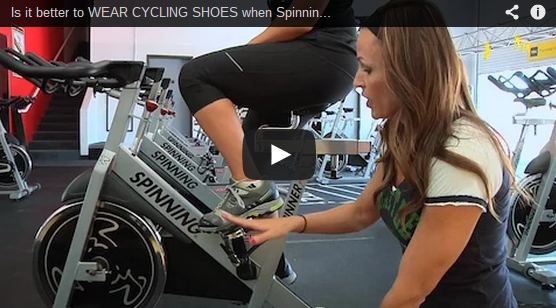


Is It Important to Buy Special Shoes for Spinning® or Indoor Cycling?
Indoor cycling shoes can improve comfort, safety, and performance during every ride. If you take spin classes regularly or ride at home, the right footwear helps you pedal more efficiently and stay connected to the bike. This guide explains when indoor cycling shoes matter, what features to look for, and how to choose the best option for your setup.
Why Indoor Cycling Shoes Matter for Spinning and At Home Rides
Indoor cycling shoes are designed to work with stationary bikes and clip-in pedal systems. Unlike running shoes, they create a secure connection between your foot and the pedal.
Key benefits include better power transfer, more stable pedaling, and reduced foot fatigue. Many riders also notice improved knee and ankle alignment when using proper spinning shoes.
If you ride occasionally, athletic shoes may feel fine. If you ride often, indoor cycling shoes are worth considering.
Indoor Cycling Shoes vs Regular Athletic Shoes
Stability and Power for Indoor Cycling Workouts
Indoor cycling shoes have stiff soles. This stiffness spreads pressure across your foot and helps you push and pull through each pedal stroke. Athletic shoes compress under load and can reduce efficiency.
Safety and Control in Spin Classes
Clip-in spinning shoes keep your feet from slipping off the pedals during fast cadence or heavy resistance. This added control can lower the risk of strain or awkward movement.
Comfort for Longer Indoor Cycling Sessions
Because pressure is distributed more evenly, many riders feel less numbness and hot spots when wearing indoor cycling shoes during longer rides.
What to Look for in Indoor Cycling Shoes
Cleat Compatibility for Spinning Shoes
Most indoor cycling shoes support either two-bolt or three-bolt cleats. Many studio bikes use two-bolt systems. Some home bikes support both.
Before buying, check your bike or studio pedals. Look for shoes that match your setup or offer dual compatibility.
Fit and Adjustability for Indoor Cycling Comfort
Indoor cycling shoes should feel snug but not tight. Your heel should stay in place without rubbing. Many shoes use Velcro straps, ratchet buckles, or BOA dials for quick adjustments.
Try shoes on later in the day when feet are slightly swollen. This helps ensure a realistic fit during workouts.
Breathability and Durability for Spin Classes
Look for mesh panels or ventilation to manage heat. Reinforced soles and durable uppers help shoes last longer with frequent use.
Walkability for Studio and Home Use
Some spinning shoes include recessed cleats. These make walking easier in studios and around your home gym.
Do You Need Indoor Cycling Shoes as a Beginner?
Beginners can start without special shoes. Many studios provide toe cages or platform pedals. As your consistency increases, indoor cycling shoes become more beneficial.
If you ride more than two times per week, upgrading to spinning shoes often improves comfort and confidence.
Indoor Cycling Shoes for Hybrid and Home Workouts
Hybrid fitness routines are common. Many riders switch between studio classes and at home sessions. Indoor cycling shoes work well for both.
If you use a smart bike at home, check the pedal system. Some platforms offer pedals that work with cycling shoes on one side and athletic shoes on the other.
This flexibility supports shared households and mixed fitness goals.
GEO Considerations for Indoor Cycling Shoes
United States
Indoor cycling shoes and cleats are widely available online and in specialty bike shops. Many studios expect riders to bring their own shoes.
Canada
Canadian riders should look for weather resistant materials if shoes are worn to and from studios. Availability is strong through online retailers.
European Union
Many EU studios use two-bolt cleat systems. Always confirm compatibility before purchasing spinning shoes.
Australia
Breathability is important due to warmer climates. Lightweight indoor cycling shoes with ventilation are popular choices.
How to Get Started With Indoor Cycling Shoes
Start by identifying your pedal type. Choose shoes that fit your foot shape and riding frequency. Have cleats installed by a professional if possible. Proper alignment matters for comfort and joint health.
Once set up, give yourself a few rides to adjust. Pedaling will feel different at first but most riders adapt quickly.
FAQ About Indoor Cycling Shoes and Spinning Shoes
Do I need indoor cycling shoes for spin class?
No, but indoor cycling shoes improve stability and efficiency. They are helpful if you ride regularly.
Are spinning shoes the same as road cycling shoes?
They are similar but often designed for studio use. Many spinning shoes use recessed cleats for easier walking.
What cleats do indoor cycling shoes use?
Most use two-bolt cleats. Some shoes support both two-bolt and three-bolt systems.
Can I use indoor cycling shoes at home?
Yes. Indoor cycling shoes work well with home bikes and smart trainers if the pedals are compatible.
How tight should indoor cycling shoes fit?
They should feel snug without pinching. Your foot should not slide, and circulation should feel normal.
Final Takeaway on Indoor Cycling Shoes
Indoor cycling shoes are not required, but they offer clear benefits for frequent riders. With better power transfer, stability, and comfort, spinning shoes can elevate both studio and home workouts. Choosing the right pair helps you ride stronger and safer every time.




Comments - 1