


Indoor cycling should feel strong and efficient, not painful. A few simple bike adjustments can dramatically reduce discomfort in your knees, hips, back, and seat while improving power and endurance. This updated guide walks you through a fast, beginner friendly setup you can use at home or in the studio.
Whether you ride daily or jump into classes a few times a week, proper positioning matters more than ever as hybrid training and at home workouts continue to grow in 2025.
Why Bike Setup Still Matters in 2025
Modern indoor cycling blends performance training with recovery focused movement. Poor setup creates unnecessary joint stress and limits output. A correct fit supports:
-
-Better pedal efficiency
-
-Less strain on knees, hips, and lower back
-
-More comfort during longer rides
-
-Safer progression as training volume increases
This applies whether you use a smart bike at home, a studio spinner, or travel and ride across multiple setups.
The 3 Core Bike Adjustments You Should Always Check
1. Seat Height
Your saddle height sets the foundation for everything else.
How to set it:
-
– Stand next to the bike and align the seat roughly with your hip bone.
-
– When pedaling, your knee should stay slightly bent at the bottom of the pedal stroke.
-
– Hips should stay level without rocking side to side.
Why it matters:
Too low increases knee stress. Too high strains hips and lower back.
2. Fore and Aft Seat Position
This adjustment controls how far forward or back you sit.
How to set it:
-
-With pedals level, your front knee should stack roughly over the ball of your foot.
-
-You should be able to reach the handlebars comfortably with soft elbows.
-
-Avoid locking out your arms or collapsing your chest.
Why it matters:
Correct positioning protects your knees and keeps power evenly distributed through the legs.
3. Handlebar Height
Handlebars affect posture and spinal comfort.
Best practice:
-
-Beginners should start with handlebars higher than the seat.
-
-As flexibility and strength improve, you may gradually lower them.
-
-Maintain a neutral spine, not rounded shoulders.
Why it matters:
Higher bars reduce strain on the neck, shoulders, and lower back, especially during longer rides.
Quick Comfort Tips for Any Ride
-
-Wear padded cycling shorts for longer sessions.
-
-Adjust your setup every time you ride a new bike.
-
-If something feels off mid ride, stop and fix it.
-
-Discomfort is not a badge of honor. Pain is a signal.
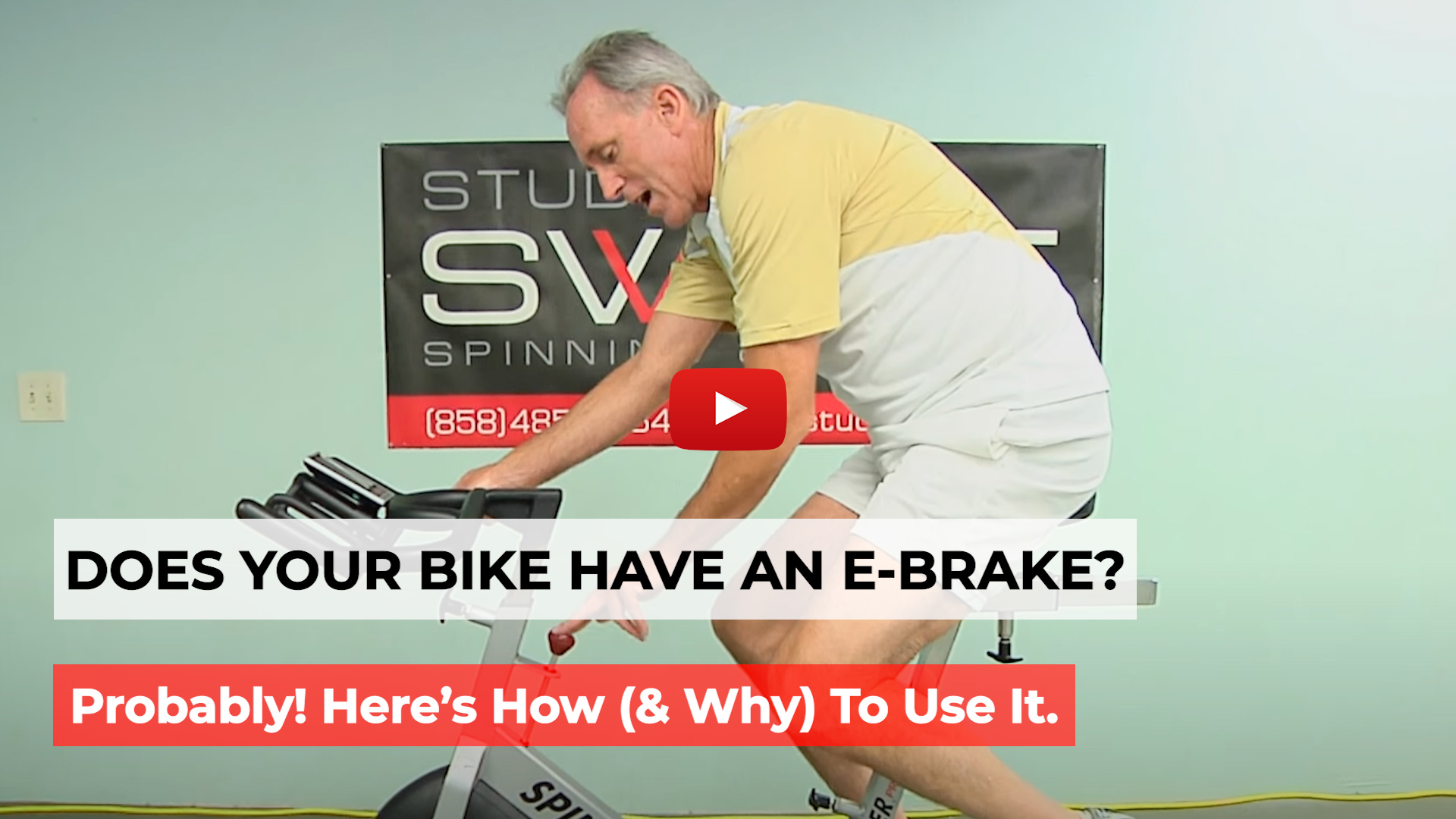
Watch the Full Bike Setup Tutorial
For a visual walk through and extra form cues, watch this short video from Studio SWEAT onDemand:
👉 https://youtu.be/csNeUKYBW0E
Indoor Cycling Setup Tips by Region
-
-U.S. and Canada: Many home riders use hybrid bikes. Always recheck measurements after firmware updates or bike sharing.
-
-EU: Studio bikes may vary more by brand. Ask instructors which adjustments are available before class starts.
-
-Australia: Heat and humidity increase fatigue. Proper setup reduces early form breakdown during longer rides.
Frequently Asked Questions About Indoor Bike Setup
How high should my seat be on a spin bike?
-Your seat should allow a slight bend in your knee at the bottom of the pedal stroke without locking out.
Why do my knees hurt after cycling class?
-Knee pain often comes from a seat that is too low or too far forward.
Should handlebars be higher than the seat?
-Yes, especially for beginners or anyone with back or neck sensitivity.
Do I need to adjust the bike every class?
-Yes. Even the same model bike can feel different each time.
Can proper bike setup improve performance?
-Absolutely. Efficient alignment improves power transfer and reduces fatigue.
Final Takeaway
Indoor cycling should feel empowering, not punishing. Taking one minute to set up your bike correctly can prevent aches, boost performance, and help you stay consistent with your training in 2025 and beyond.










Comments - 0